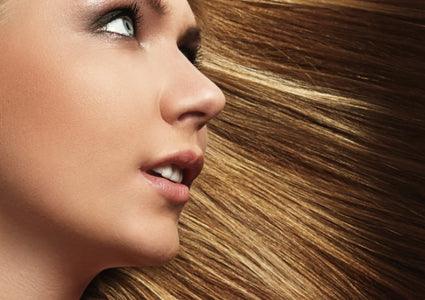


A little movement or a different finish can make a piece feel more familiar. Heat can help create that finish, but it is worth using only as much as your hair needs.
Check the hair before choosing a setting
This advice is for human hair. Synthetic and blended fibers have different requirements. Your wig's processing history, color, condition, and texture also matter.
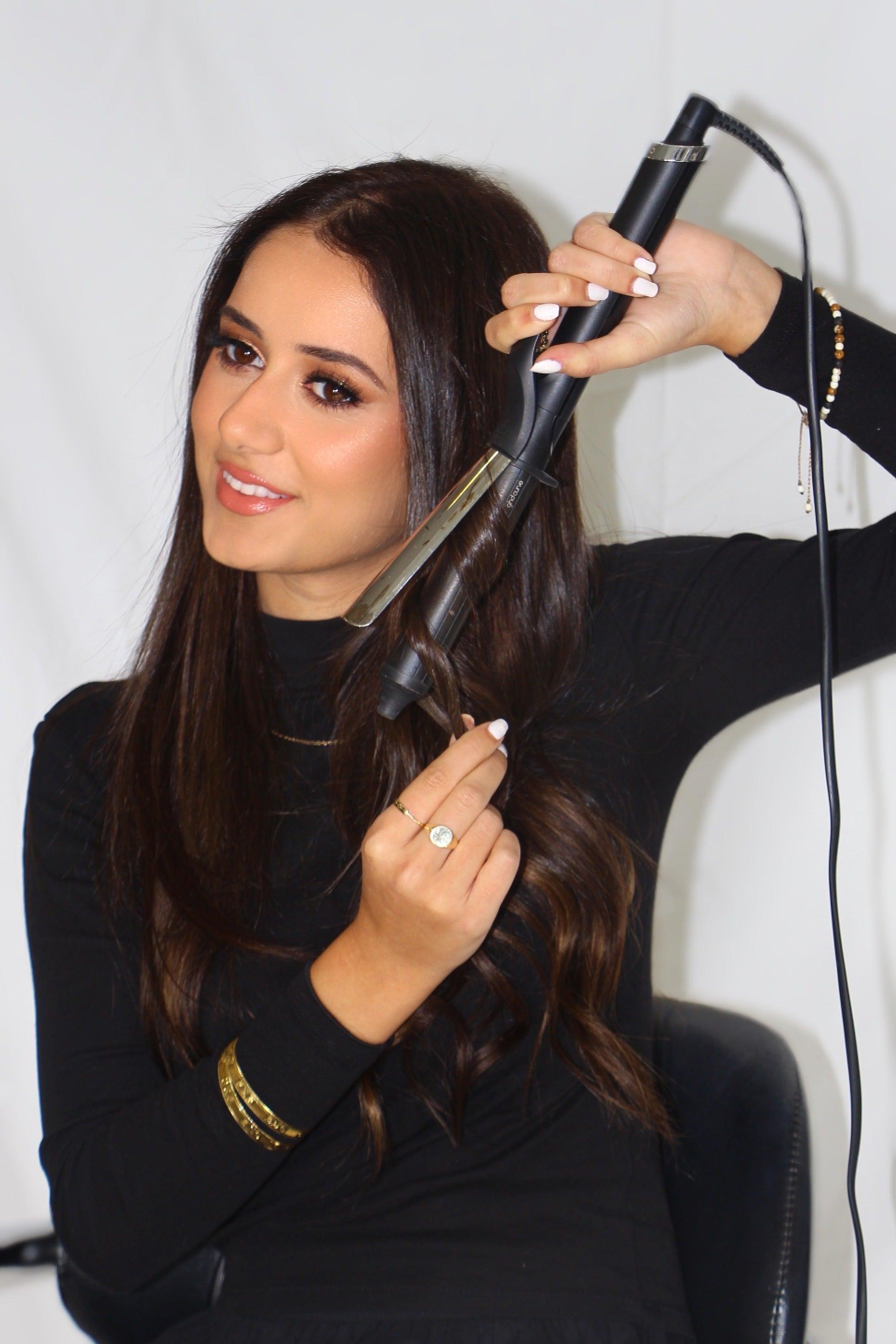
Choose a tool with a controllable temperature and begin with the lowest effective setting. Do not raise the temperature simply because a curl will not hold. Section size, technique, and cooling time may be the issue.
Prepare the lengths
Gently detangle using the method appropriate for the texture. Use a heat protectant suitable for the piece, following its directions. Hair must be dry before using a curling iron or flat iron.
Work in small sections and keep hot surfaces away from the lace, silk top, cap, clips, and any attachment material. Do not repeatedly pass over the same section to force a result.
Let the shape settle
Allow the hair to cool before loosening or arranging the finished style. Between styling sessions, store the piece so it is protected from friction and crushing.
Know when to stop
If the hair becomes rough, brittle, or difficult to manage, pause the hot tools. Conditioning can improve the feel of dry hair, but it cannot undo burned strands or repair a torn cap.
For persistent dryness or a style that no longer behaves as expected, send us your care routine and a few photos. We can help assess whether a professional wash and style or another service is appropriate.